
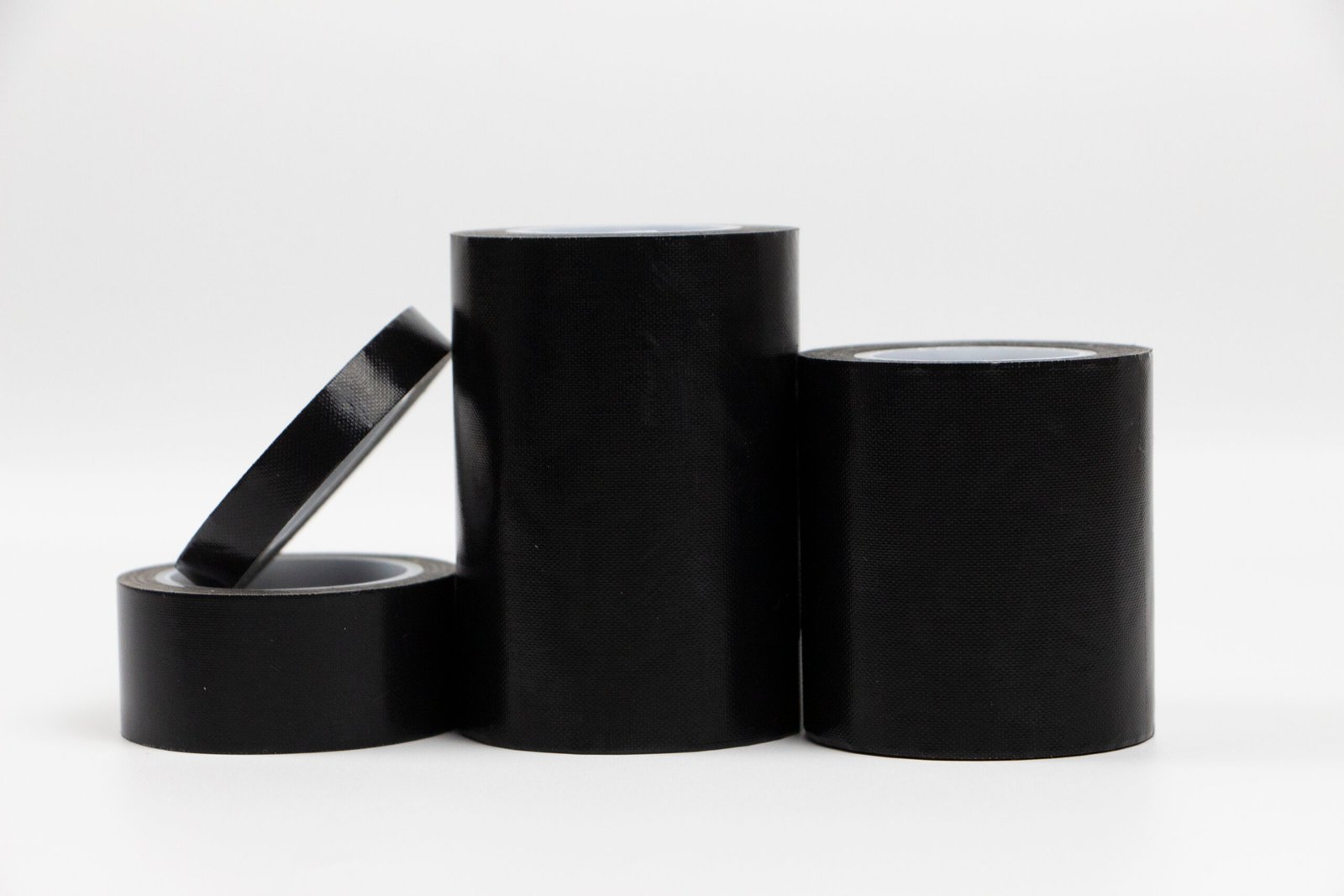
Key Manifestations of the Cryogenic Performance of PTFE Adhesive Tapes
The cryogenic and low-temperature performance of PTFE (Teflon) adhesive tapes is fundamentally reflected in their stable operation under deep-freeze conditions, resistance to embrittlement, sustained adhesive tack, and high mechanical strength retention. This makes them highly adaptable for environments ranging from standard refrigeration to ultra-low temperature cryogenic/liquid nitrogen settings.
I. Ultra-Wide Cryogenic Operating Temperature Ranges
- Standard Grade: Operates continuously between -70°C and 260°C, with short-term tolerances reaching up to 300°C.
- Premium Performance Grade: Withstands -196°C (Liquid Nitrogen) to 300°C continuously. Select high-end products can function down to -268°C (approaching absolute zero), making them ideal for extreme environments like cryogenic engineering, superconductivity, and aerospace.
II. Resistance to Embrittlement and Superior Flexibility Maintenance
- Unlike most conventional plastics that become brittle at low temperatures, the PTFE substrate retains excellent flexibility and elasticity between -180°C and -268°C, eliminating risks of surface cracking or brittle fracture.
- With a high elongation rate (approx. 100%), it conforms tightly to complex curved geometries, tolerating dynamic shifting and slight deformations without compromising sealing integrity.
III. Stable Adhesive Tack and Reliable Sealing Performance
- Utilizing specialized fluorinated acrylic or silicone adhesive layers, the tape exhibits a tensile strength retention rate of $\ge$ 95% even after a 24-hour immersion in liquid nitrogen at -196°C. The adhesive layer suffers no cracking or delamination, guaranteeing long-lasting sealing.
- It balances initial tack and shear strength under freezing conditions, bonding firmly to metals, plastics, glass, and other materials for cryogenic piping and equipment sealing/fixing.
IV. Retention of Mechanical Strength and Durability
- Tensile and tear strengths remain structurally stable in deep-freeze environments. Fiberglass-reinforced variants can achieve a tensile strength of up to 900N/100mm, withstanding repeated bending and flex fatigue to significantly extend service life.
- Excellent weatherability and aging resistance ensure that performance does not decay over prolonged cryogenic exposure, reducing maintenance frequency.
V. Typical Application Scenarios
Surface lining for cold-chain logistics, food freezing equipment, and chemical cryogenic reactors.
Sealing and component fastening in liquid nitrogen/liquid oxygen storage tanks and cryogenic pressure vessels.
Thermal insulation and component shielding in superconducting equipment and aerospace vehicles.